
Recognizing and Avoiding Common Senior Scams in 2026
Recognizing and Avoiding Common Senior Scams in 2026
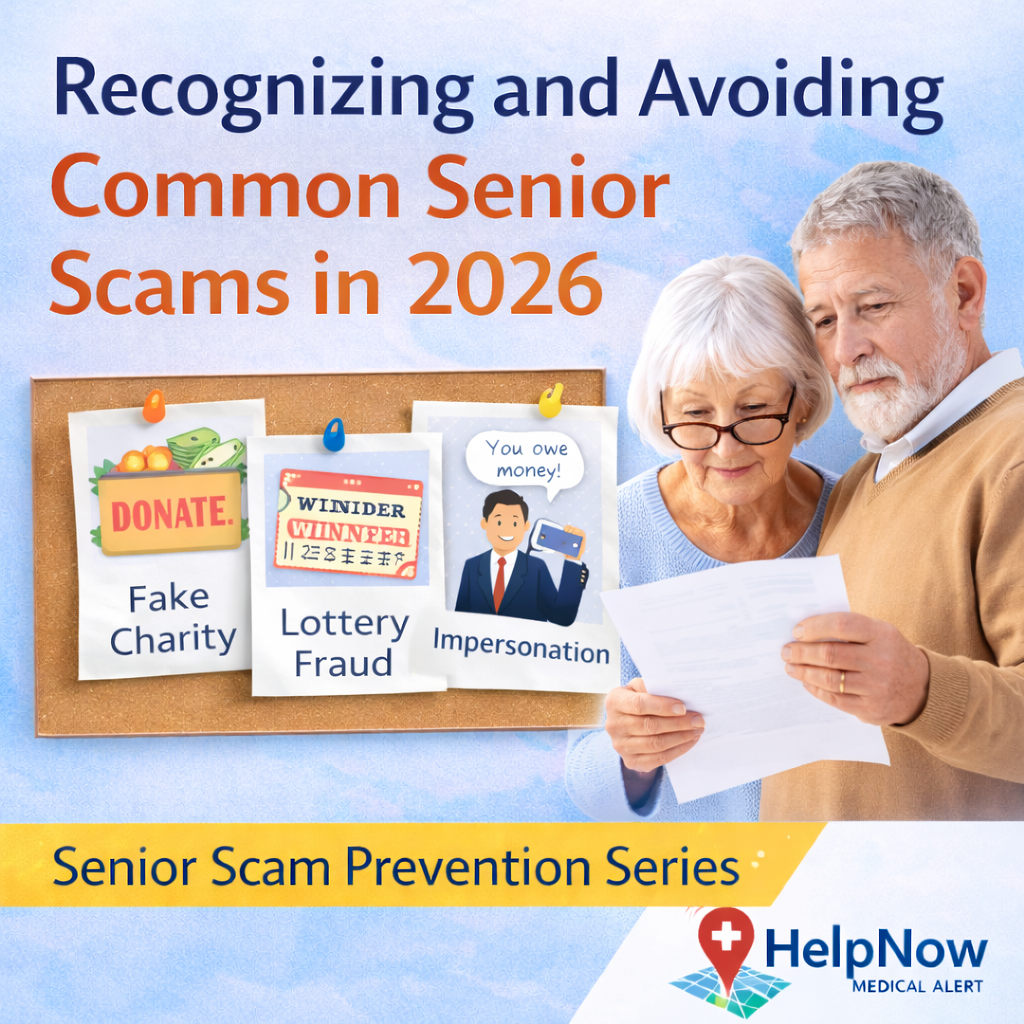
Scammers continue to target seniors every year with new tricks and familiar lies. In 2026, phone, email, and online scams are more convincing than ever — but they can be avoided with awareness and preparation. This first article in the Help Now Senior Scam Prevention Series explains how to spot red flags and stay safe from common scams.
1. Recognize the most common senior scams
Fraudsters often use fear, urgency, or fake rewards to pressure seniors into giving money or personal information. Some of the most common scams in 2026 include:
- Government impersonation scams: Callers claim to be from the IRS, Medicare, or Social Security demanding “immediate payment.”
- Tech support scams: Pop-ups or phone calls warn about a fake computer virus and ask for remote access or credit card info.
- Romance scams: Scammers build trust online and then request money for fake emergencies or travel expenses.
- Charity and disaster scams: Fraudsters pretend to collect donations for recent natural disasters or veterans.
- Prize or lottery scams: A caller says you’ve won a prize — but you must pay taxes or fees first.
2. Watch for red flags of a scam
Most scams share the same warning signs. Recognizing them early helps stop fraud before it starts.
- Someone asks for money through gift cards, wire transfers, or cryptocurrency.
- You’re told to “act immediately” or keep the call secret.
- Emails or texts contain spelling errors or urgent subject lines.
- Caller IDs look official but can be faked easily.
- Unfamiliar senders request personal information or passwords.
3. How to avoid becoming a victim
Protecting yourself or a loved one starts with slowing down and verifying information before taking action. Use these steps to reduce risk:
- Hang up if something feels suspicious — legitimate agencies will never threaten or rush you.
- Do not click links or download attachments from unknown senders.
- Call the official number on your bill, card, or agency website to confirm requests.
- Never share banking details, Social Security numbers, or Medicare information over the phone.
- Use caller ID and spam filters to block repeat scam numbers.
4. Help seniors stay protected year-round
Education and connection are key to scam prevention. Families, caregivers, and professionals can play a major role in keeping seniors safe.
- Talk openly about scams and encourage seniors to report suspicious calls or emails.
- Post reminders near the phone with “Don’t share personal info” written clearly.
- Sign up for the National Do Not Call Registry and report scam calls to the Federal Trade Commission (FTC).
- Install a call-blocking device or phone service to filter out robocalls.
5. How medical alert systems support safety and independence
While scam protection starts with awareness, staying connected adds another layer of security. A Help Now Medical Alert System ensures seniors can reach trained professionals anytime, not just during medical emergencies. With 24/7 monitoring, even if someone falls victim to a scam-related stress event, help is always one button away.
Compare systems designed for home and mobile use on our Help Now comparison page.
What’s next in the Senior Scam Prevention Series
This is the first post in our ongoing Senior Scam Prevention Series. In the coming weeks, we’ll cover specific scams in detail — including phone scams, online scams, and financial safety strategies for seniors and caregivers.
Subscribe or check back weekly for new articles to stay informed and protected throughout 2026.
Stay safe and confident with Help Now
Knowledge is power — and preparation is peace of mind. By recognizing scam tactics and knowing when to pause, seniors can protect both their independence and finances. Help Now is proud to support seniors and families nationwide with education, technology, and 24/7 protection designed for safety and confidence.
Compare Medical Alert SystemsIf you are looking at a medical alert system
Compare all seven systems, answer a few questions for a recommendation, or see what they cost. No contracts, and the equipment is free. Questions? (866) 743-7348.