
What Happens After a Senior Falls at Home? A Step by Step Guide for Families
What Happens After a Senior Falls at Home? A Step by Step Guide for Families
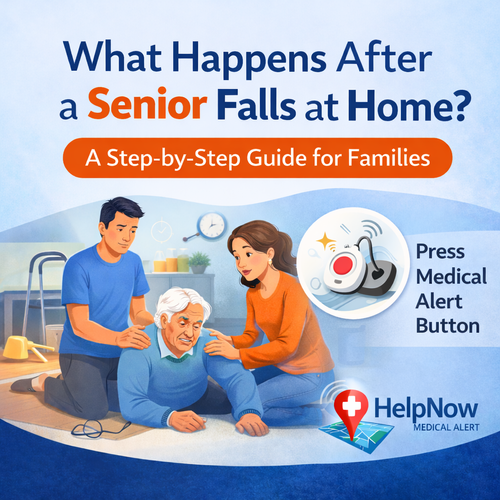
If you are an adult child or caregiver, you may find yourself searching what to do after a senior falls at home because something just happened or because you want a plan before it happens. Falls are common, and even a fall that seems minor can lead to serious complications if help is delayed. The best outcome usually comes from a calm, structured response and a clear way to get help quickly.
This guide gives you a practical step by step response plan for a senior fall at home, plus prevention steps you can take afterward. It also explains why, in many situations, the best first move is to press the medical alert button instead of trying to manage the situation alone.
Why response time matters after a fall
After a fall, two things often drive outcomes: injury severity and time to assistance. If a senior is hurt, confused, or unable to stand, delays can lead to dehydration, pressure injuries, and worsening pain. Even when there is no obvious injury, a fall can signal a change in balance, strength, medication effects, or an underlying medical issue.
For background and prevention guidance, the CDC provides an overview of older adult falls and fall prevention strategies here:
Step by step: what to do after a senior falls at home
Step 1: Stay calm and check for danger
Before moving anything, scan the area. Look for hazards like water, loose rugs, clutter, pets underfoot, or sharp furniture edges. If the fall happened in the bathroom or near stairs, be extra cautious about your own footing.
Step 2: Encourage the senior to press their medical alert button
If the senior wears a Help Now pendant or wrist button, the fastest way to start the right response is to press the button. This connects them to trained monitoring staff who can help coordinate next steps. In many cases, that means contacting a family member, neighbor, caregiver, or emergency services based on the situation and the response plan.
Pressing the button is often better than calling 911 right away because it starts a guided process and can reduce confusion. It also creates a consistent habit for seniors: fall equals button press.
If you are comparing options for home and mobile coverage, start here:
Step 3: Do not rush to lift them
Ask simple questions:
- Where does it hurt?
- Did you hit your head?
- Do you feel dizzy or short of breath?
- Can you move your hands and feet?
If there is head impact, severe pain, obvious deformity, heavy bleeding, loss of consciousness, or confusion, treat it as urgent. Keep them still and get help.
Step 4: Decide whether they can safely get up
If the senior is alert, breathing normally, and has no head impact or significant pain, they may be able to get up with a safe method. If you are unsure, get help first. A fall can cause hidden injuries, especially with hips, wrists, and ribs.
A practical technique is often called the “side roll to chair” approach:
- Have them roll to their side and pause.
- Move slowly onto hands and knees if comfortable.
- Crawl to a stable chair or couch, not a rolling chair.
- Use the chair to support a gradual rise.
If they cannot bear weight, feel faint, or have new severe pain, stop and wait for assistance.
Step 5: Monitor for delayed symptoms
Even if they feel okay, monitor for 24 hours for signs that warrant medical evaluation:
- Headache, nausea, or increasing confusion
- New weakness, balance changes, or slurred speech
- Increasing pain, swelling, or bruising
- Difficulty walking or standing
If any of these appear, seek medical guidance promptly.
Step 6: Document what happened
Write down:
- Time and location of the fall
- What they were doing right before the fall
- Footwear and floor conditions
- Any dizziness, weakness, or medication timing
- Any injuries or pain reported
This helps a clinician identify contributing factors and helps your family reduce future risk.
What to do after the fall: reduce the chance of the next one
Once immediate safety is handled, focus on prevention. Many families discover that small fixes make a big difference.
Home safety improvements
- Remove loose rugs and clutter from walking paths
- Add brighter lighting and night lights
- Install grab bars in the bathroom
- Use non slip bath mats
- Ensure frequently used items are within easy reach
Health and medication review
Ask a clinician to review medications if the fall involved dizziness, fatigue, or confusion. The National Institute on Aging offers helpful fall prevention guidance here:
National Institute on Aging: Prevent Falls and Fractures
Build a family fall response plan
The best time to plan is before the next fall. A simple response plan includes:
- Who gets called first and second
- Where the lockbox is placed, if used
- Medication list and medical conditions in one location
- Preferred hospital and physician contact info
- A clear rule: press the medical alert button after any fall
If you are also planning broader safety and future support conversations, this guide supports adult children:
How to Talk to Aging Parents About Their Future
If you are evaluating whether it is time for a device, start here:
Signs Your Aging Parent May Need a Medical Alert System
Cost matters: options for fixed budgets
Many families want a plan that is affordable month to month. If cost is a concern, review this guide:
Medical Alert Systems for Low Income Seniors
FAQ
What to do after a senior falls at home if they say they are fine?
Do a quick safety check, ask about head impact and pain, and monitor closely for 24 hours. Many injuries show up later. If there is any uncertainty, get medical guidance.
When should we call 911 after a fall?
Call 911 for head injury, severe pain, suspected fracture, heavy bleeding, breathing trouble, fainting, confusion, or if the senior cannot safely stand or bear weight.
Why should seniors press a medical alert button after a fall?
Pressing the button starts a guided response immediately. It can reduce delays, lower confusion, and ensure the right people are contacted based on the situation.
How can adult children reduce fall risk quickly?
Start with lighting, clutter removal, bathroom safety upgrades, and a medication review. Then add a clear emergency plan and practice the button press habit.
Next step
If you want a simple way to reduce dangerous delays after a fall, the most important habit is consistent use: wear the button and press it after any fall. Review system options here:
If you want help choosing an at home or mobile option, contact our team for clear answers: