
Winter Safety for Seniors: Staying Independent in Cold Weather
Winter Safety for Seniors: Staying Independent in Cold Weather
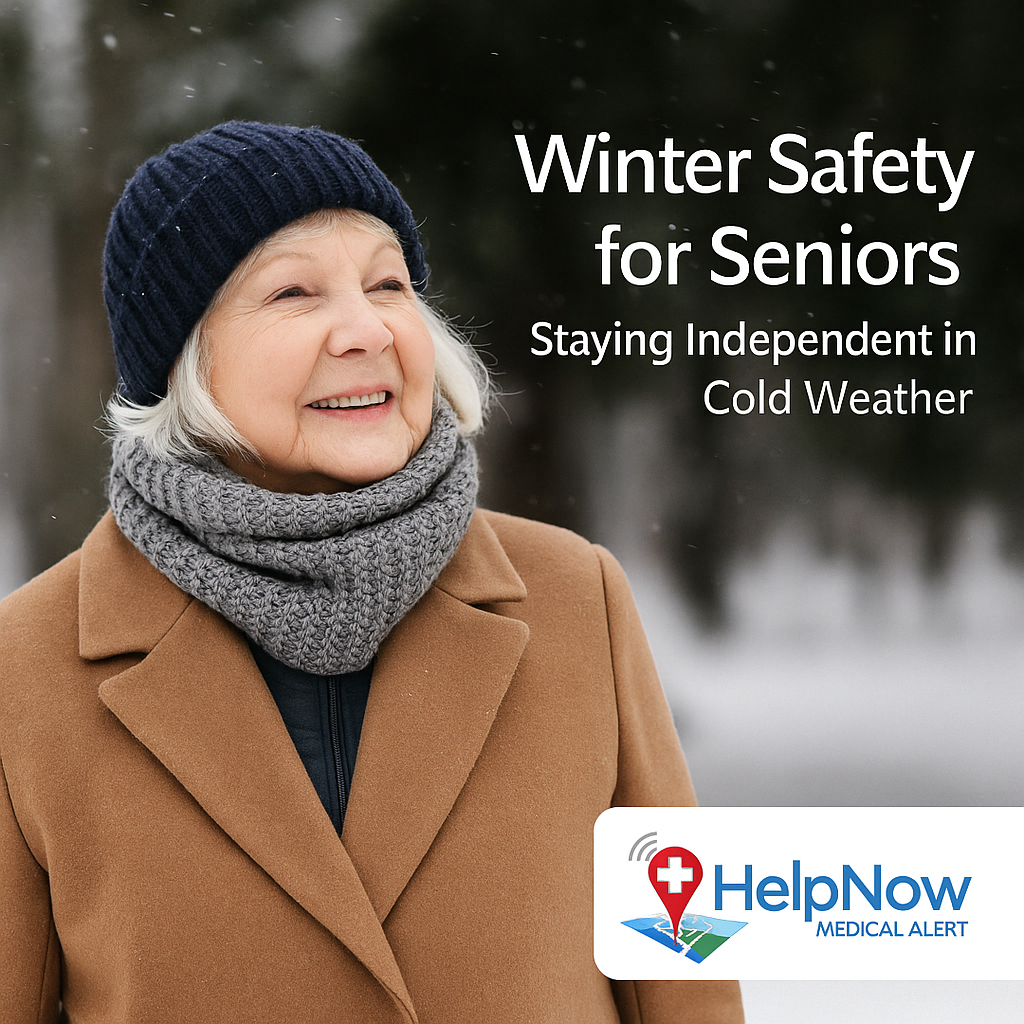
Cold weather brings beauty and challenges. For older adults, winter can mean slippery walkways, indoor hazards, and health risks related to cold exposure. This guide covers practical winter safety tips for seniors that help prevent falls, maintain warmth, and support independence all season long.
Why winter safety for seniors matters
Each year, thousands of older adults are treated for injuries caused by winter slips and cold-related illnesses. According to the CDC, falls are the leading cause of injury among adults 65 and older. Snow, ice, and indoor clutter increase this risk during cold months.
With the right precautions, seniors can enjoy winter while staying safe and independent at home or outdoors.
1. Prevent slips and falls
- Wear supportive, non-slip shoes or boots with good tread.
- Use handrails on stairs and entryways whenever possible.
- Keep walkways, driveways, and porches clear of ice and snow.
- Ask for help shoveling or hire local snow removal support.
- Use a medical alert system with fall detection for extra protection.
For more ideas, visit easy balance exercises for seniors.
2. Keep warm safely
Older adults lose body heat faster than younger people. This makes staying warm a critical part of winter safety for seniors.
- Dress in layers — a base layer, insulating layer, and windproof outer layer.
- Keep living spaces between 68–70°F and close off unused rooms to save heat.
- Never use an oven or stove to heat the home.
- Check that space heaters are UL certified and placed at least three feet from anything flammable.
- Keep blankets and slippers nearby to avoid sudden temperature drops.
3. Prepare your home for cold weather
- Install bright lighting near entryways and hallways.
- Place non-slip mats at doors where snow and moisture can collect.
- Have a professional inspect heating systems annually.
- Keep flashlights and fresh batteries available for power outages.
- Use a lockbox for emergency responders in case the door is frozen or jammed.
For more details, see our post on home safety tips for seniors living alone.
4. Manage health and medication in winter
- Have prescriptions filled before storms or icy conditions.
- Store extra medications and essential items in case of delays.
- Drink plenty of water — dehydration can happen even in cold weather.
- Limit outdoor activity during extreme cold or high winds.
5. Stay connected and ready for emergencies
Isolation increases during the winter months. Staying in touch helps seniors feel supported and ensures quick response if something happens.
- Check in daily with a friend, neighbor, or family member.
- Carry a charged mobile medical alert system when leaving home.
- Keep emergency numbers visible near phones and posted on the fridge.
- If you live alone, test your alert system weekly and keep it on at all times.
Compare systems at Help Now’s comparison page to find the best fit for your lifestyle.
Winter safety checklist for seniors
Inside the home
- Heating system serviced
- Bright lights in key rooms
- Throw rugs removed or secured
Outside the home
- Driveway and steps salted
- Handrails checked and secure
- Clear paths to the mailbox and car
Health and comfort
- Layered clothing ready
- Extra blankets and warm drinks
- Medication supply confirmed
Emergency readiness
- Medical alert device charged
- Flashlight and batteries stocked
- Responder list up to date
Stay safe and independent this winter
Winter can be a wonderful season with the right safety steps. From warm clothing to reliable medical alert protection, each precaution helps older adults stay confident and connected. With Help Now, seniors and caregivers can face winter knowing help is always within reach.
Compare Medical Alert SystemsAbout fall detection
Fall detection is $5 a month on the at-home systems and included on the Belle X and Belle W. Compare which systems have it, see what it costs, or call (866) 743-7348. No fall sensor detects every fall, so press the button whenever you can.